





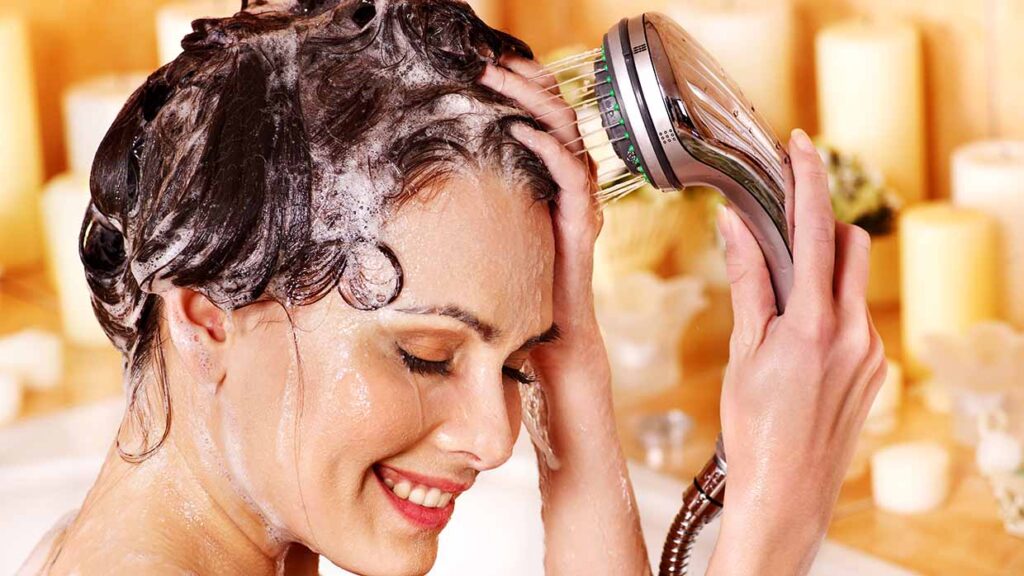
For years, we were told that beautiful hair begins with the right shampoo. Then came masks, oils, glosses, bonding treatments and overnight serums promising shine at any cost. But beneath all that effort, something quieter has been happening in dermatology clinics and research labs: a growing recognition that if you want healthier hair, you have to start with the scalp.
The idea that “scalp care is the new skincare” may sound like marketing, but the science behind it is real. The scalp is not separate from the rest of your skin. It has the same basic structure, including a protective barrier known as the stratum corneum, sebaceous glands that produce oil, immune cells and a complex community of microorganisms known as the microbiome. Each hair grows from a follicle embedded within this living tissue. If the environment around that follicle is inflamed, irritated or imbalanced, hair growth can be affected.
Dermatologists have long known that certain scalp conditions influence hair shedding. In dandruff and seborrheic dermatitis, for example, an overgrowth of Malassezia yeast is associated with inflammation, itching and flaking. Antifungal treatments such as ketoconazole and piroctone olamine have been shown in controlled studies to reduce these symptoms and, in some cases, reduce hair shedding linked to inflammation. The improvement does not come from coating the hair fiber. It comes from calming the scalp.
Research over the past decade has also explored the role of micro-inflammation in common forms of hair loss, including androgenetic alopecia, the gradual thinning many women experience with age. While hormones and genetics remain central drivers, low-grade inflammation around the follicle appears to contribute to miniaturization over time. Studies examining scalp biopsies have found inflammatory markers and oxidative stress in affected areas. This does not mean that a serum can reverse genetic hair loss, but it does reinforce an important point: the health of the scalp tissue matters to the longevity of the follicle.
Barrier integrity is another emerging theme. When the scalp barrier is disrupted — whether by harsh detergents, aggressive treatments or chronic irritation — transepidermal water loss increases, and the skin becomes more reactive. A compromised barrier can intensify itching and scaling, creating a cycle of scratching and further inflammation. Clinical research in cosmetic dermatology has shown that improving scalp condition with barrier-supportive formulations and antioxidants can reduce visible flaking and improve overall scalp comfort. In some longer studies, participants using such formulations also experienced reduced daily hair shedding compared with placebo groups. The mechanism is likely indirect: a calmer scalp creates a more stable environment for growing hair.
The microbiome has become a buzzword in beauty, but it is more than a trend. The scalp hosts bacteria such as Cutibacterium acnes and Staphylococcus epidermidis, as well as various yeasts. In healthy balance, these organisms coexist without causing symptoms and may even help defend against pathogenic species. When that balance shifts, inflammation can follow. Researchers are still mapping exactly how these microbial changes relate to different types of hair loss, and much remains to be clarified. What is established is the link between microbial imbalance and scalp disorders such as dandruff, and the benefit of targeted treatments that restore equilibrium.
This shift in focus from strands to skin also reframes how we think about shine and strength. The hair fiber itself is biologically dead once it emerges from the scalp. It cannot heal. What it can do is reflect the conditions under which it was formed and the environment it passes through. Sebum produced by the scalp travels down the hair shaft, contributing to flexibility and luster. When the scalp is excessively dry, inflamed or overproducing oil in response to irritation, the quality and distribution of those lipids can change. The result may be dullness, brittleness or a greasy-yet-dry paradox many women recognize.
None of this means we should abandon conditioners or styling products. It does mean that piling on more surface treatments will never fully compensate for an unhealthy scalp. Gentle cleansing that preserves barrier function, avoiding unnecessary irritation, and treating medical scalp conditions promptly are evidence-based ways to support hair over the long term. In cases of persistent shedding, itching or visible thinning, consultation with a dermatologist remains essential, both to rule out underlying conditions and to discuss treatments with proven efficacy.
The growing attention to scalp care reflects a broader cultural shift toward prevention and longevity. Rather than chasing instant cosmetic fixes, women are asking how to maintain their hair’s density and vitality over decades. Science suggests that the answer does not lie in miracle ingredients or overnight transformations. It lies in respecting the scalp as living skin — complex, reactive and deserving of the same thoughtful care we give our face.
Healthy hair, it turns out, is less about what you smooth onto the lengths and more about the ecosystem you nurture at the roots.