





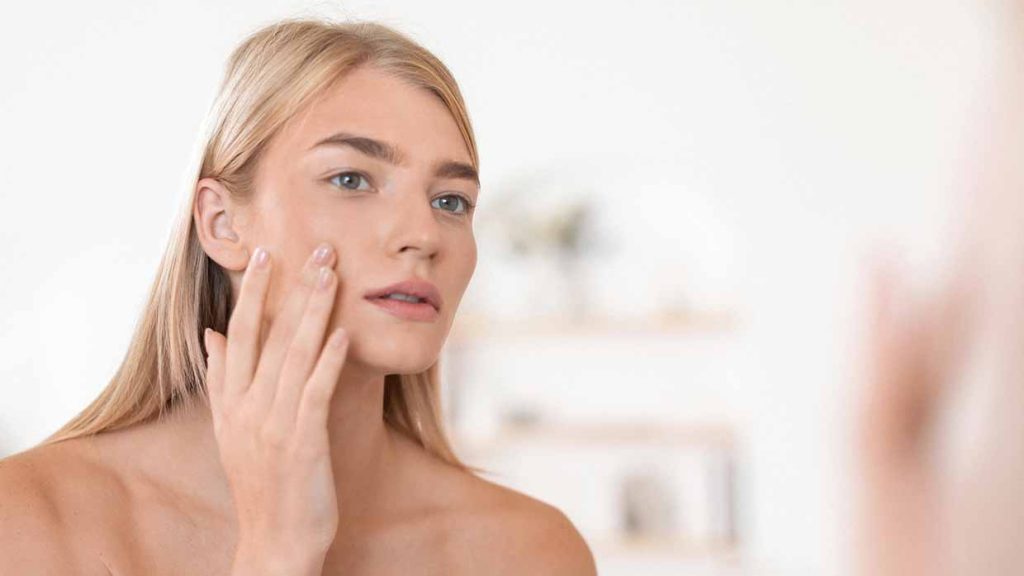
For years, the beauty industry sold women the idea that skincare should erase, correct, and conceal. Wrinkles were treated like emergencies. Redness, texture, and pigmentation became problems to “fix” as quickly as possible. But a new movement emerging across beauty and wellness is changing that conversation entirely.
Some brands, dermatologists, and trend forecasters are now using the term “cellness” to describe a longevity-focused approach to skincare that prioritizes how skin functions at a cellular level rather than how it simply appears on the surface. Instead of chasing instant cosmetic results, the focus is shifting toward supporting the biological processes that help skin remain strong, resilient, hydrated, and healthy over time.
The trend draws inspiration from the broader wellness world, where ideas around healthspan, biohacking, recovery, and preventative care have become increasingly mainstream. In beauty, that translates into routines designed to support skin barrier health, reduce chronic inflammation, protect against oxidative stress, and maintain the skin’s natural repair systems for the long term.
In many ways, cellness represents a cultural shift as much as a skincare one. Rather than framing aging as something women should fight, it reframes skincare as a form of maintenance, resilience, and overall wellbeing.
Why longevity has become beauty’s biggest obsession
The rise of longevity science has influenced nearly every corner of wellness, from nutrition and fitness to supplements and sleep optimization. Beauty was always going to follow.
Researchers studying aging have increasingly focused on how cells repair themselves, produce energy, and respond to environmental stressors such as UV damage, pollution, inflammation, and poor sleep. Concepts like mitochondrial health, oxidative stress, collagen decline, and cellular senescence – the biological changes associated with aging – are now entering mainstream skincare language.
That does not necessarily mean every product marketed with scientific buzzwords can meaningfully alter the aging process. Dermatologists caution that longevity skincare remains an evolving category, and many brands use clinical language more aggressively than the evidence currently supports. Still, the broader philosophy behind the movement is grounded in something legitimate: healthier skin usually comes from consistent protection and support, not aggressive correction.
Daily sunscreen, gentle cleansing, hydration, retinoids, antioxidant protection, quality sleep, stress management, and a healthy skin barrier continue to have the strongest long-term scientific support. What cellness adds to the conversation is the idea that skincare should work with the skin’s biology rather than constantly trying to override it.
The rise of “inside-out” beauty
One reason the cellness movement resonates so strongly is because it reflects how interconnected beauty and wellness have become. Increasingly, consumers understand that skin does not exist separately from the rest of the body.
Poor sleep, chronic stress, smoking, excess sun exposure, and inflammatory diets can all contribute to visible skin changes over time. On the other hand, consistent sleep, balanced nutrition, exercise, and stress reduction may support healthier-looking skin indirectly by reducing systemic inflammation and helping the body recover more efficiently.
This “inside-out” philosophy has fueled interest in supplements, antioxidant-rich foods, collagen support, red light therapy, and recovery-focused wellness routines. Ingredients linked to longevity research – such as NAD+ precursors, polyphenols, peptides, and mitochondrial-support compounds – are increasingly appearing in beauty marketing, even when definitive cosmetic evidence is still developing.
For many women, the appeal lies less in achieving perfection and more in creating sustainable habits that help skin stay calm, balanced, and resilient over time.
PDRN: the regenerative ingredient everyone is talking about
One of the buzziest ingredients associated with the cellness trend is PDRN, short for polydeoxyribonucleotide. Originally used in medical and wound-healing settings, PDRN is a regenerative ingredient often derived from salmon DNA fragments, though newer vegan alternatives made from plant sources are beginning to emerge.
In skincare, PDRN is promoted for its ability to support skin recovery and regeneration pathways. Researchers believe it may help encourage collagen production, improve hydration, reduce inflammation, and assist the skin’s natural healing response through activation of the A2A adenosine receptor pathway.
Clinical evidence is strongest in medical applications such as wound healing, diabetic ulcers, and post-procedure recovery. Early research on topical cosmetic use is promising, particularly for hydration, barrier repair, skin texture, and recovery after treatments like microneedling or lasers. However, large-scale studies specifically proving dramatic anti-aging effects in everyday skincare are still limited.
That nuance is important. PDRN may represent an exciting area of regenerative skincare, but experts generally agree it should be viewed as a supportive ingredient rather than a miracle solution.
Why Azelaic acid has quietly become a dermatologist favorite
While many trendy ingredients come and go, azelaic acid has earned something far more valuable in the beauty world: long-term trust from dermatologists.
Naturally derived from grains, azelaic acid is a multitasking ingredient known for its anti-inflammatory, antibacterial, antioxidant, and pigment-balancing properties. It has been widely used for acne and rosacea for years, but it is now gaining renewed attention thanks to the rise of minimalist skincare.
Unlike harsher active ingredients that can compromise the skin barrier, azelaic acid is often well tolerated even by sensitive skin types. It helps reduce redness, improve uneven pigmentation, unclog pores, and refine texture without causing the level of irritation commonly associated with aggressive exfoliants.
Its popularity also reflects a broader shift away from complicated routines. Women increasingly want products that can address multiple concerns at once without overwhelming the skin. In that sense, azelaic acid perfectly fits the cellness philosophy: less stress, more balance.
Skinimalism and the end of the 12-step routine
Not long ago, maximalist skincare routines dominated social media. Consumers layered acids, retinoids, masks, exfoliants, and serums in pursuit of flawless skin. But many dermatologists now believe overcomplicating routines may contribute to irritation, barrier disruption, and inconsistent results.
The rise of “skinimalism” reflects a growing desire for simplicity. Instead of chasing endless new products, minimalist skincare emphasizes consistency, barrier support, hydration, and a handful of evidence-based actives.
For most people, an effective routine still comes down to a few essentials: gentle cleansing, moisturization, daily broad-spectrum SPF, and one or two targeted treatments tailored to individual concerns. The goal is no longer to overwhelm the skin with activity, but to support its ability to function well on its own.
This simpler approach also makes skincare feel more sustainable emotionally and financially. Rather than turning beauty into a constant self-correction project, skinimalism encourages routines that are realistic enough to maintain long term.
The new era of makeup-skincare hybrids
Another major evolution connected to the cellness movement is the rise of hybrid beauty products that combine makeup with skincare benefits.
Tinted serums, skin tints, BB creams, and lightweight foundations increasingly include ingredients such as niacinamide, hyaluronic acid, peptides, ceramides, antioxidants, and SPF. These products reflect modern consumers’ desire for efficiency, especially as minimalist routines continue to grow in popularity.
The appeal is not simply convenience. Many women now want makeup that actively supports the skin barrier rather than covering the skin at the expense of its health. Lightweight formulas that hydrate, protect, and improve texture over time feel more aligned with the wellness-oriented direction beauty is moving toward.
This shift also mirrors changing beauty ideals. Instead of matte perfection and heavy coverage, the modern aesthetic increasingly prioritizes skin that looks healthy, rested, and naturally luminous.
The future of beauty may be less aggressive
Perhaps the most interesting thing about the cellness trend is that it signals a softer philosophy around aging and self-care.
For decades, beauty messaging often relied on urgency and insecurity, encouraging women to erase every visible sign of time. The new longevity-focused approach feels different. It centers maintenance over correction, prevention over panic, and long-term skin health over instant transformation.
That does not mean the science is fully settled. Many longevity-inspired ingredients still require more research, and consumers should remain cautious of exaggerated marketing claims wrapped in scientific language. But the broader movement toward supporting the skin barrier, reducing inflammation, protecting against environmental damage, and embracing sustainable routines is likely here to stay.
In the end, the most effective “biohack” for healthy skin may not be a futuristic ingredient at all. It may simply be consistency: sunscreen every day, enough sleep, less stress, and products that help the skin function at its best rather than fight against itself.